Popular Science Article
Agriculture is one field which gives humans an identity of their own. In India agriculture has always been considered as the back-bone of our economy We have learnt ways and means to harvest resources for our food, clothing and shelter. Therefore, besides knowing about the basics of agriculture, we should be aware of the modern agriculture practices, the newer technologies and researches in the field of agriculture for better yield and sustainable development.
|
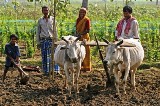
Family Farming
Family farming is defined as a means of organizing agricultural, forestry, fisheries, pastoral and aquaculture production which is managed and operated by a family and predominantly reliant on non-wage family labour, including both for men and women.
More...
|
|
|
|
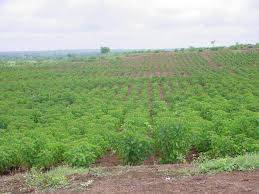
Wasteland Development in India
Wasteland is the land that is not used either for agriculture, forestry or pasture or the land which is not being used to its optimum potential due to various constraints. Increasing misuse of land resources through shortsighted development
More...
|
|
|
|
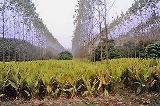
Agroforestry : An Integrated System of Land Use
Agroforestry is a system of land use where woody perennials are deliberately used on the same land management units as annual agricultural crops and or animals, either sequentially or simultaneously, with the aim of obtaining greater outputs on sustained basis
More...
|
|
|
|
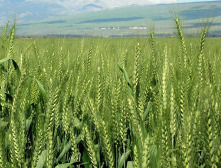
Green Revolution in India: Its Environmental and Health Effects
The Green revolution, which came on the scene around the middle of the sixties, beginning with Kharif crop of 1966 in India refers to the quantum jump in food grain production following the use of high yielding varieties, fertilizers, pesticides coupled with improved irrigation facility and multiple cropping.
More...
|
|
|
|
|
|
Dryland Agriculture
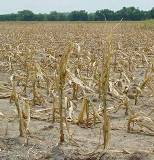
Dryland agriculture refers to cultivation of crops entirely under natural rainfall. It is a form of subsistence farming in the regions where deficit of the soil moisture retards the growth of water consuming crops like rice (Oryza sativa), sugarcane (Seccharum officinarum) etc.
More...
|
|
|
|
Drought – A Natural Disaster
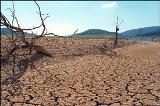
Drought is a natural disaster characterized by the scarcity of water resources as a result of which the yield of the crops is adversely affected.
More...
|
|
|
|
Soil Erosion and Conservation
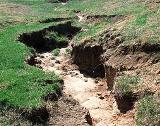
Soil erosion generally called as the creeping death of the soil. Soil erosion is considered as negative soil pollution. Soil being a important natural resource which feed the human and livestock population need to conserved against the erosive forces.
More...
|
|
|
|
ORGANIC AGRICULTURE
Organic agriculture is a system of agriculture which does not use any form of synthetic fertilizers or other agro-chemicals and is entirely dependent on organic sources for crop nutrition and crop husbandry.
More...
|
|
|

|
Sustainable Agriculture
The modern agricultural practices which are heavily dependent on the use of chemical pesticides, inorganic fertilizers and growth regulators has raised the agricultural production manifold but...
More...
|
|
|